Dublin, Ireland

Eureka! One of the world's greatest science walks

Eureka! One of the world's greatest science walks

Démarrer Partager sur :
Téléchargez le parcours complet au sein de l'application GuidiGO
et utilisez-le sans connexion Internet.
Parcours interactifs pour smartphones et tablettes. En savoir plus

iPhone app, iPad app Android app

9 étapes

1

Welcome & Introduction

Meet your guide, for an outline of our tour celebrating William Rowan Hamilton.

2 min
2

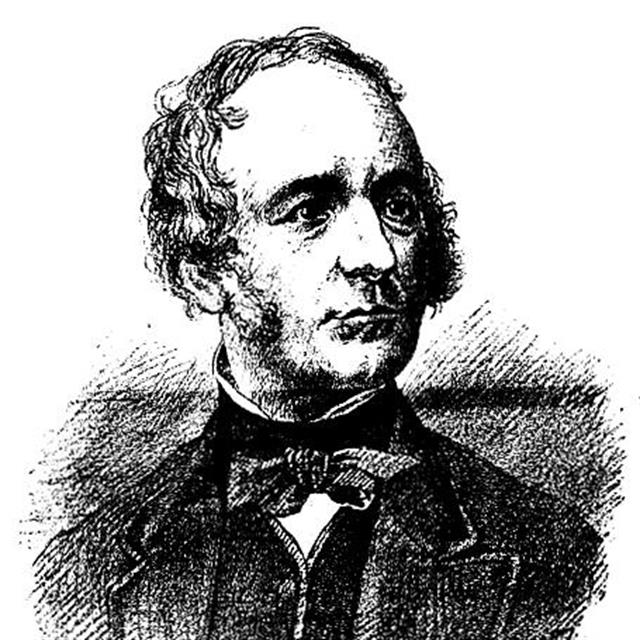
Why was Hamilton so important?

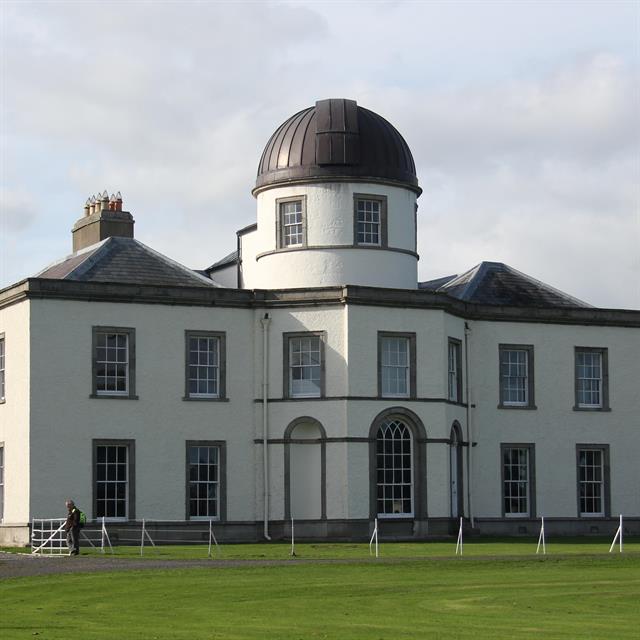
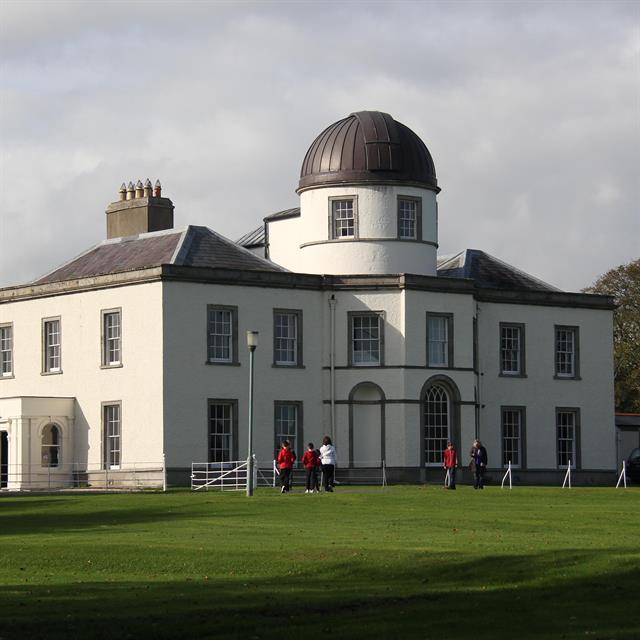
We join the 2011 annual walk at Dunsink Observatory to find out.

15 min
3

The story of Ireland's longest canal

A short history of canals and especially the lovely Royal Canal

6 min
4

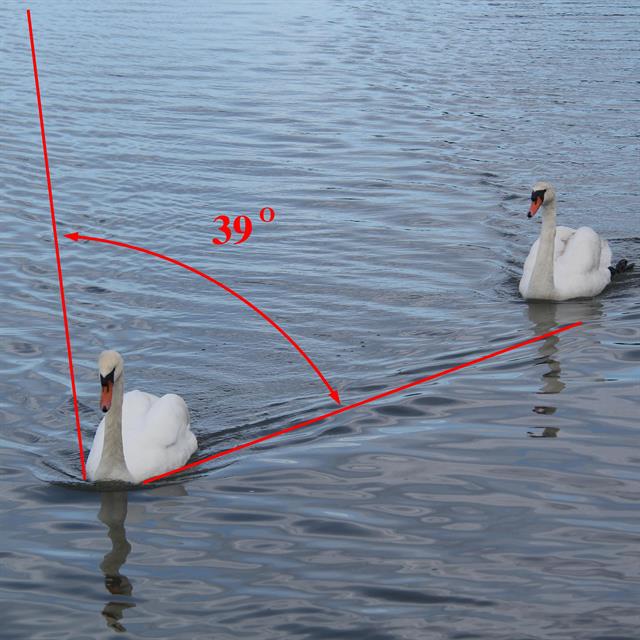
What wave does a duck wake make?!

Does it matter how fast the bird a boat is travelling?

3 min
5

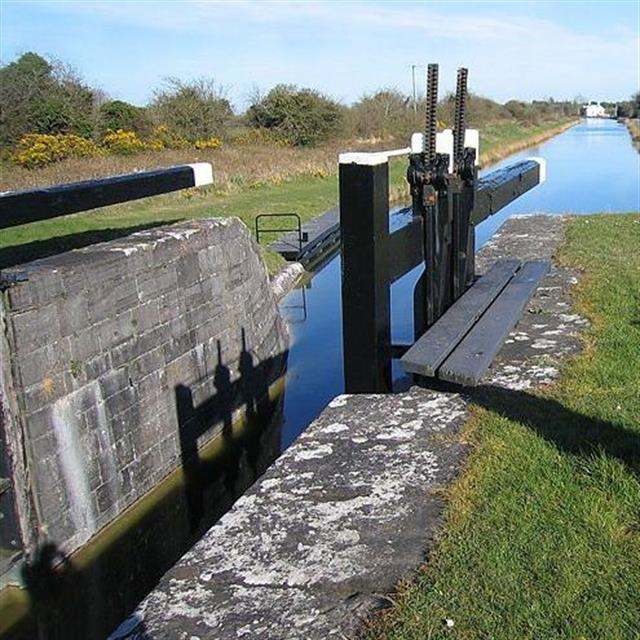
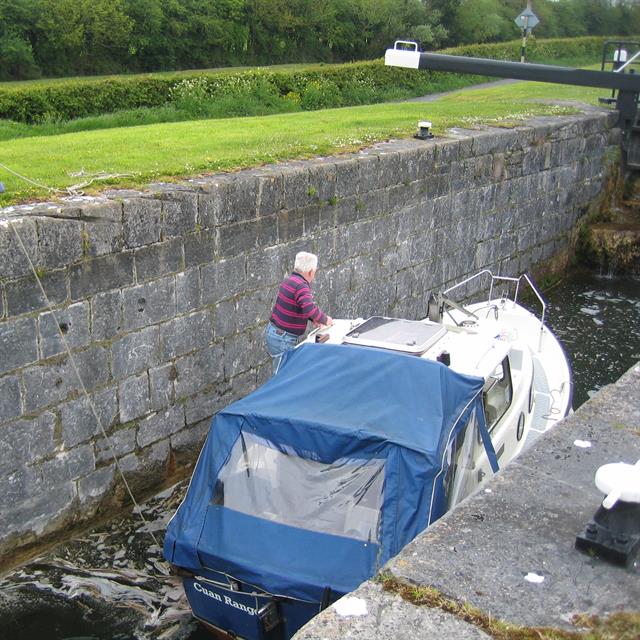
How do canal locks work?

Canal locks are ingenious engineering, that let boats travel uphill.

4 min
6

Canal-side science: the story of Solitons

How singular waves, or solitons, were also discovered beside a canal.

2 min
7

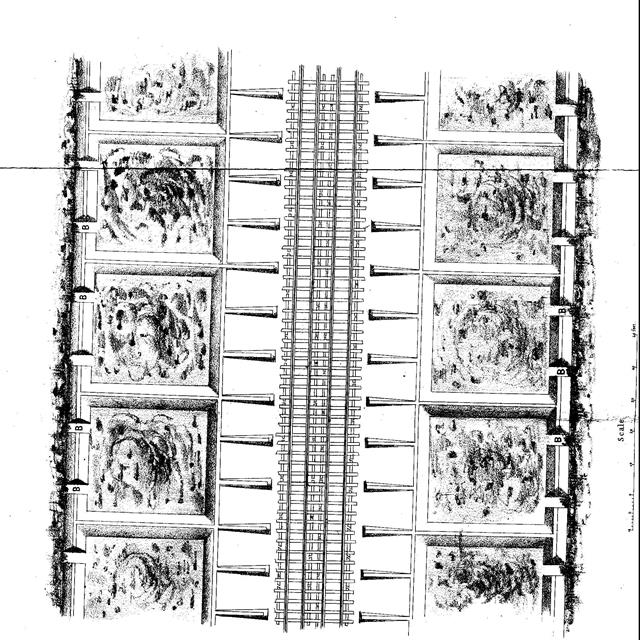
Why does the railway run beside the canal?

How, in 1844, a railway nearly replaced the waterway

2 min
8

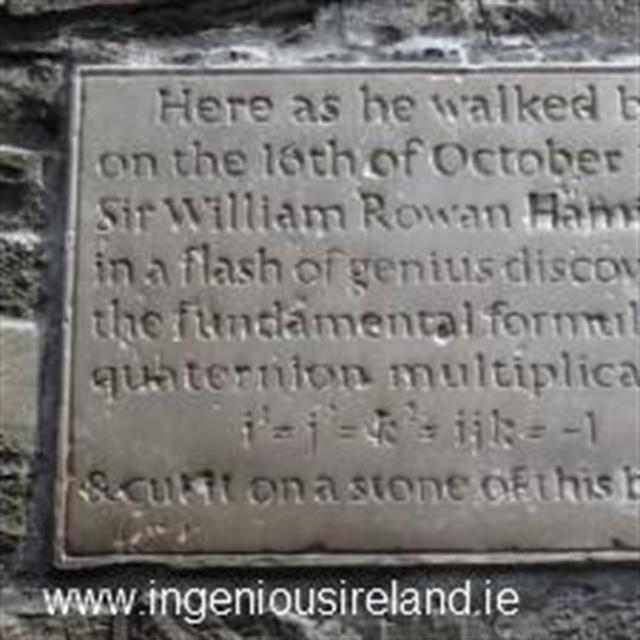
The plaque at Broome Bridge, place of pilgrimage

Our final stop is the commerative plaque on Broome Bridge

6 min
9

Jack Gannon's Ballad of William Rowan Hamilto

Written and sung by local man, Jack Gannon.

4 min

Description

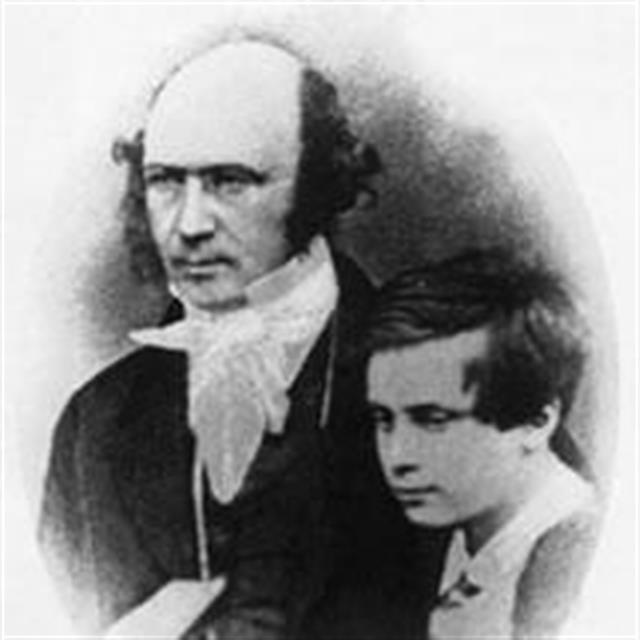
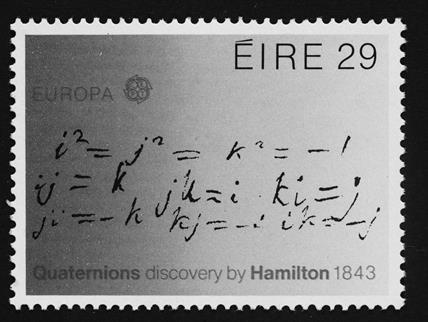
This lovely walk by Dublin's Royal Canal is one of the greatest science walks, and a popular pilgrimage for geeks from around the world. We celebrate a famous Eureka moment in 1843, when Sir William Rowan Hamilton had a flash of inspiration while walking by the canal, and invented a revolutionary new type of algebra, called Quaternions. Every year, on the October 16th anniversary, hundreds of people retrace Hamilton’s footsteps from Dunsink Observatory to Broome Bridge, where he famously scratched his equation on a stone. Our tour joins the annual walk: enjoy the ballad, meet the people, explore the canal’s wildlife, science and engineering, and learn about Hamilton and his amazing algebra, which helped to land a man on the Moon!

Itinéraire 3,0 km / 1h00

Carte disponible hors connexion

Vous créez des contenus ?

Publiez vos parcours sur smartphones et tablettes

Découvrez comment créer et distribuer facilement vos parcours sur la plateforme GuidiGO.

Démarrez ici
En cours…